



14 Oct Windows 10 End of Life: What are the Options ?
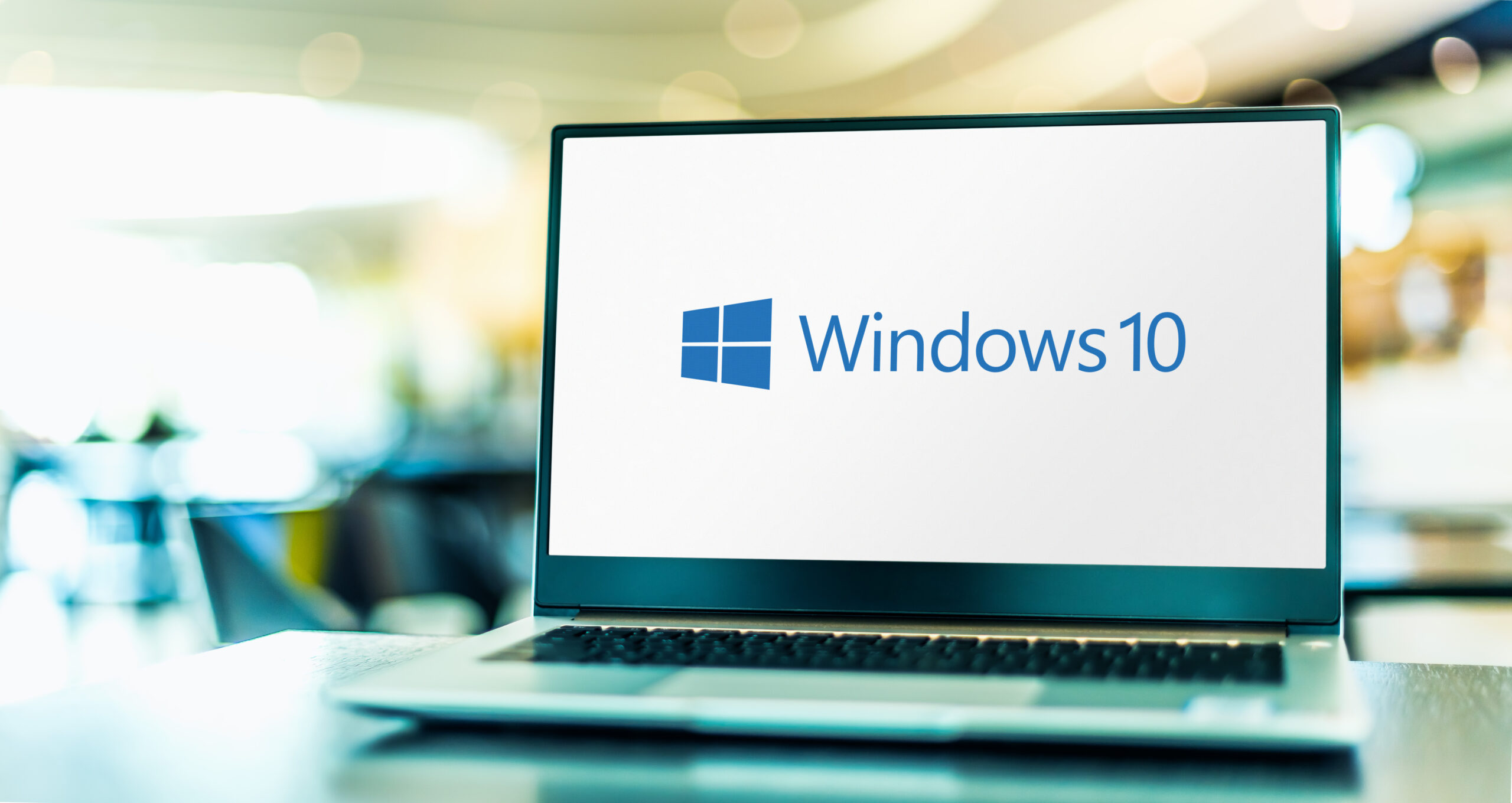
With Microsoft ending free software updates and support for Windows 10 next year, businesses must make a decision. Ignoring the change might seem tempting, but this approach leaves your systems vulnerable to security threats. Without regular updates, your data—including sensitive customer and financial information—could be exposed to cyberattacks. An unsupported system is essentially an open door for hackers.
Option 1: Upgrade to Windows 11
The most obvious path is upgrading to Windows 11. While it requires meeting specific hardware requirements, Windows 11 offers significant improvements in productivity and security. Features like Snap Layouts and Snap Groups streamline workflow, while Widgets and AI-powered Copilot help you stay organised. Copilot can assist with tasks ranging from scheduling meetings to summarising key points from Teams. Windows 11 also delivers enhanced security measures, making it a clear upgrade for many businesses.
Upgrading will require a new licence to be purchased – and it will also require that your current (Windows 10) computer is of a sufficient specification to be upgraded. If they are not, then you may need to consider Option 2.
Option 2: Invest in New Devices
If your devices don’t meet the requirements for Windows 11, consider investing in new hardware. Though this might seem costly, it’s an investment in your business’s future. New devices bring better performance and security, and with proper planning, the transition can be smooth, minimising operational disruptions. You do have until October next year, so this gives time to budget for the new devices – or even to stagger the purchase so that you don’t have huge outlay at one go.
Option 3: Extended Security Updates for Windows 10
If upgrading or replacing devices isn’t feasible right now, Microsoft offers Extended Security Updates (ESUs). For an annual fee, you’ll continue to receive security updates for Windows 10, but costs rise each year—£45 per device in the first year, doubling in subsequent years. Over three years, this can become a significant expense, potentially outweighing the cost of upgrading to Windows 11 or investing in new devices.
There is also the 4th option of a combination of the other 3. You could upgrade a number of them (with a view to replace in the near future) – and replace a number over the next few months – and even have a number with the Extended support.
Choosing the right path depends on your business’s needs, but maintaining security should be a top priority. Whether you upgrade, invest, or pay for updates, ensuring your systems are protected is critical to avoid data breaches and costly downtime.
If you need any help with this – to see if your current computers are upgradeable – or on any of the options above, please get in touch. We can help.
